
 Affordable Meals
 New Recipes
 Powered by Eggs
 Ho Ho Holidays!
 Recipe Booklets
 Blog
Blog Egg Nutrition
 Care & Quality
 Types of Eggs
Sometimes the right flavour combination can make all the difference when learning to enjoy new foods. As a child Jessica greatly disliked eggs in pretty much any variety, except in cookie form 🤪. It wasn’t until she spent time in Germany during a high school exchange that she found a way to enjoy them! Feeling a little nervous, she tentatively took a bite of the fried egg sandwich her host mom had prepared. To her great delight and surprise, she really liked it! The key? The blend of herbs used to season the eggs.
Herbs can provide a lot of flavour, but aren’t as intense as spices. Many kids, especially those who are more selective in their food choices, have a heightened sense of taste. As humans, we’re born with a set number of taste buds, which gradually decrease in number as we age. So what might taste mild to an adult might be experienced at a high taste “volume” for a child.
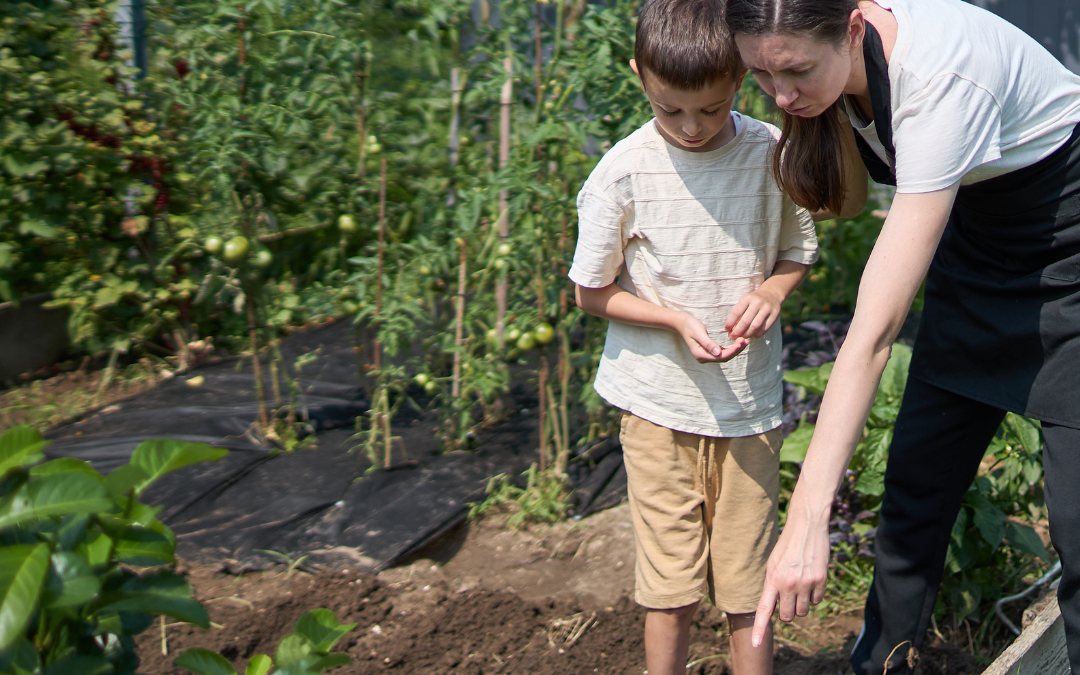
With gardening season around the corner, we invite you to plan(t) an herb garden with your kids. Apart from the educational benefit, this activity can also help calm your child’s nerves around “green” foods and build a sense of familiarity. To add, there’s also evidence that sensory experiences where kids get an opportunity to touch and interact with different textures (whether with food or other mediums) can reduce fussy eating. So, wins all around.
Step 1: Visit a garden centre.
Invite your child to smell the various options and choose a few herbs to take home. Some herbs do well to be transplanted from baby plants you can buy while others grow best when you plant directly by seed. A staff member can point you in the right direction for each herb you’ve picked.
Step 2: Find a sunny spot at home.
The great thing about growing an herb garden is that herbs don’t take up a lot of space! You can find a few pots or one large one and place them in a sunny location either in your yard, on your deck or even on your balcony.
Step 3: Give your child agency over taking care of the herbs.
This is where the real magic happens. When kids take ownership over growing or preparing food, they feel more invested in the outcome. The resulting pride can spill over into wanting to try the foods themselves. Depending on your child’s age, they can help with planting, watering, weeding and covering in case of frost (gotta love Manitoba weather!). Don’t underestimate the power of providing them with their own set of gardening gloves and tools, such as a watering can.
Step 4: Harvest and use in recipes!
Eggs and herbs are a natural pairing. If your child is already reaping all of the nutritional benefits of eggs, then pairing herbs with an accepted food is likely to be a win! Or if your child is hesitant about eating eggs, pairing with herbs might be what piques their curiosity. Eggs are a great source of high quality protein for growing children, choline for brain development and lutein for eye health! Meanwhile, herbs are full of antioxidants which help keep our bodies healthy. What. A. Duo!
Here are some of our families’ favourite ways to use various herbs to season egg dishes.
Invite your child to cut dill or chives with scissors to add to egg salad sandwich fillings.
Chop up fresh cilantro and sprinkle it on a bhurji, aka Indian scrambled eggs.
Let your child create a fun herb mix for everyone to use on their frittata!
Planting an herb garden with your child is where play, curiosity and gentle food exposure come together, helping you raise a happy, healthy eater. And don’t forget to model eating the herbs yourself, as it has a bigger impact on your child than you may realize!